
Movement consistency is the ability to reproduce an athletic movement consistently across multiple repetitions.
Whether an athlete is practicing a basketball shot, golf swing, tennis stroke, or baseball movement, consistency helps reveal how repeatable their performance is over time.
MRS™ (Movement Repeatability Score) takes that concept a step further by translating movement data into a measurable score.
Movement consistency describes how consistently an athlete reproduces their movement patterns during practice.
By establishing personalized movement baselines, SmartSportsTrainer helps athletes understand how their movements compare with their own reference patterns and identify changes over time.
MRS™: What You’re Measuring
The Movement Repeatability Score (MRS™) is SmartSportsTrainer’s measurement framework for evaluating movement repeatability.
It translates movement data into an understandable score, giving athletes a way to monitor performance, compare sessions, and track progress against personalized movement baselines.
Movement consistency represents the performance characteristic athletes want to develop. MRS™ provides a measurable way to evaluate and track that characteristic.
Together, they help transform practice from simply counting repetitions into understanding how consistently movements are performed.
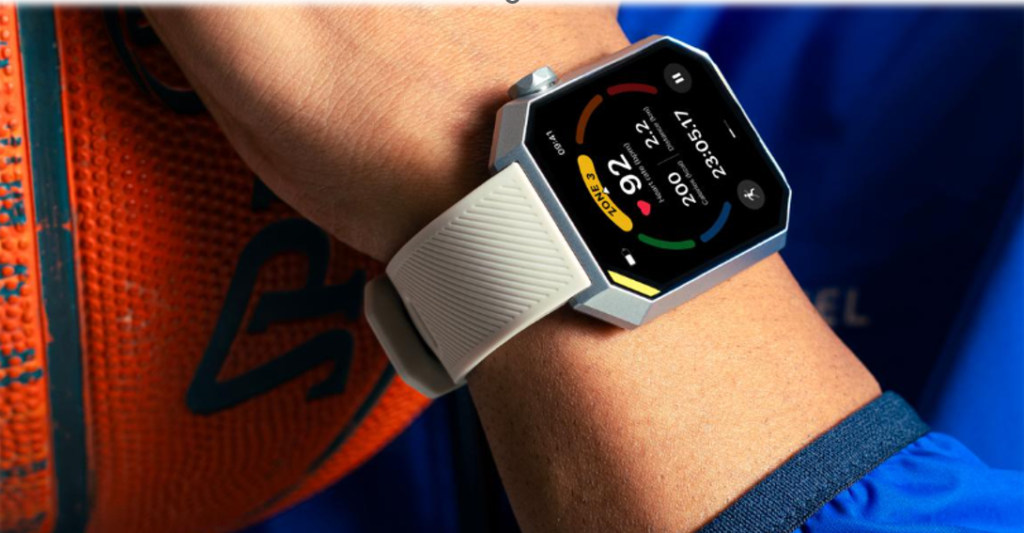
SmartSportsTrainer™
The wearable that captures sport specific movement
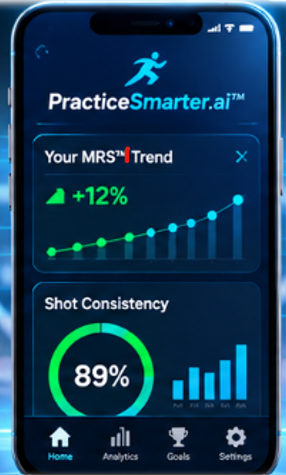
PracticeSmarter.ai™
The connected app brings the athlete, smartwatch, and training together.
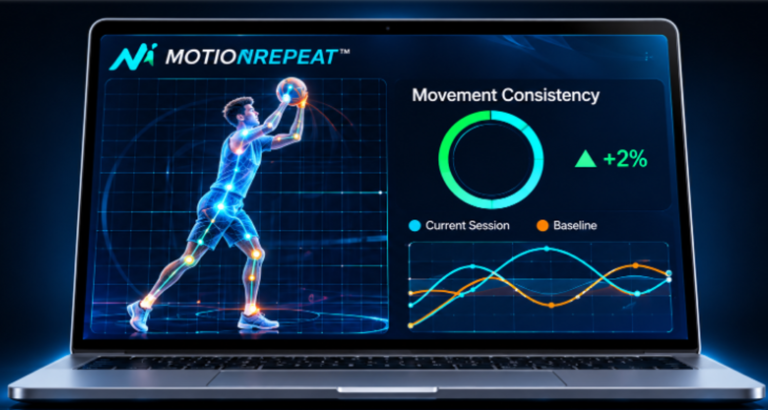
Movement Repeatability Score™
The movement intelligence platform behind measuring and comparing movement consistency.
Every athlete has a different body, technique, and movement pattern. Our goal is to help athletes understand their own movement and measure how consistently they reproduce it over time.
From Running, Golf, Tennis, Baseball, Basketball, Soccer, Volleyball, Swimming, to Strength & Conditioning, Movement Repeatability Score™ turns athletic movement into measurable performance insight.
SmartSportsTrainer™ is designed around training commitment and performance goals, not a specific age group or skill level. The goal isn’t simply to do more repetitions. It’s to better understand the quality and consistency of the movements being repeated.
Establish personalized movement baselines.
Repetition consistency
Movement variation
Range of motion
Movement timing
Pattern similarity
Changes across repetitions and sessions
Athlete performance trends

Our initial focus is on committed, actively training athletes who want more than general workout tracking. They want measurable feedback on their sport-specific movements and a better understanding of their progress.
Copyright 2026 @ powered by PracticeSmarter.ai. All Rights Reserved.